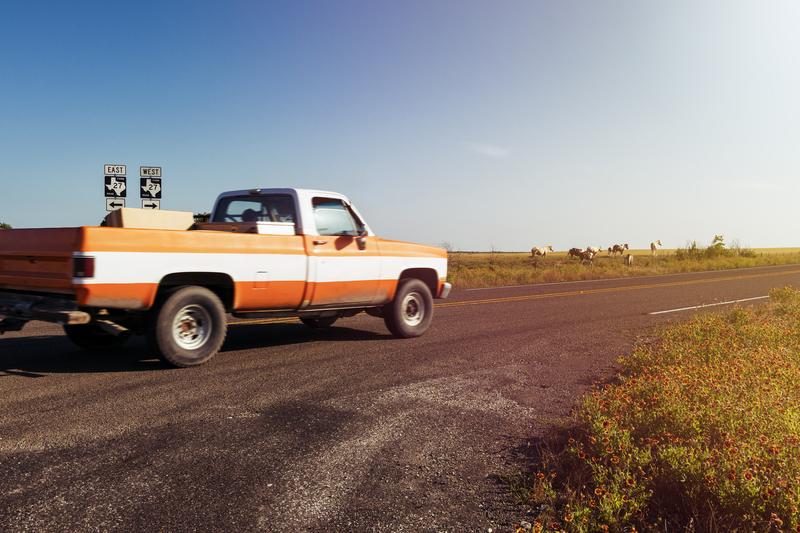
New research of 530,000 crashes in the US state of Texas highlights the high risk to drivers on rural roads compared with urban roads. The data shows that rural roads account for nearly half of all traffic deaths in Texas, despite having just 25% of the population.
The analysis was carried out by Texas-based personal injury firm Angel Reyes & Associates.
Analysing data from the Texas Department of Transportation (TxDOT) for 2025, Angel Reyes & Associates noted that the overall traffic deaths of 3,809 for Texas were 8% lower in 2025 than in 2024. However, crashes on rural roads in the state remain 2.7 times more likely to result in a fatality than a crash on a city street.
The largest metropolitan hubs in Texas, including Houston, Dallas, San Antonio, Austin, Fort Worth, and El Paso, accounted for 37% of fatalities, despite being home to nearly half of all Texans.
“While we are encouraged by an 8% statewide drop in traffic deaths, this progress is entirely dependent on where you drive,” said Angel Reyes, founder and managing partner of Angel Reyes & Associates. “Texas drivers face completely different threats depending on geography. In major metros, it’s a sheer volume crisis where two-thirds of deaths are concentrated in the core cities. In smaller counties, it’s an infrastructure and corridor crisis where long-haul truck traffic passes through sparsely populated areas with limited post-crash emergency care.”
According to the analysis, the dangers of rural roads in Texas is driven by four compounding structural factors. Rural emergency medical services (EMS) response and transport times to level-one trauma centres are nearly double those of urban areas. Rural state highways feature posted limits up to 136km/h, involving much higher impact energy. Non-interstate rural roads handle the brunt of fatal lane departures due to narrow lanes, unlit stretches, and a lack of modern guardrails. Federal data indicates that seat belt compliance is lower outside major metro areas.